
Budgeting is making sure you have enough money to meet your goals.

Top 4 reasons to budget
Overspending
Overspending spending; is spending more money than you have or have budgeted to spend on items. Studies found alarming results in Canadians under 50; spending all their disposable income without worrying about their financial futures.
The psychology of overspending has identified the following reasons:
- Social pressures
- Desire to keep up with the “Joneses”
- Lifestyle creep
- As your income increases so does your spending
- Emotional impulse spending
- Retail Therapy or Emotional eating
- Not accounting for inflation
- Not adjusting your spending habits for an increase in prices
- Credit misconceptions
- The belief that credit is extra money
Staying Financially Organized
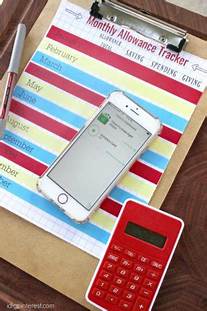
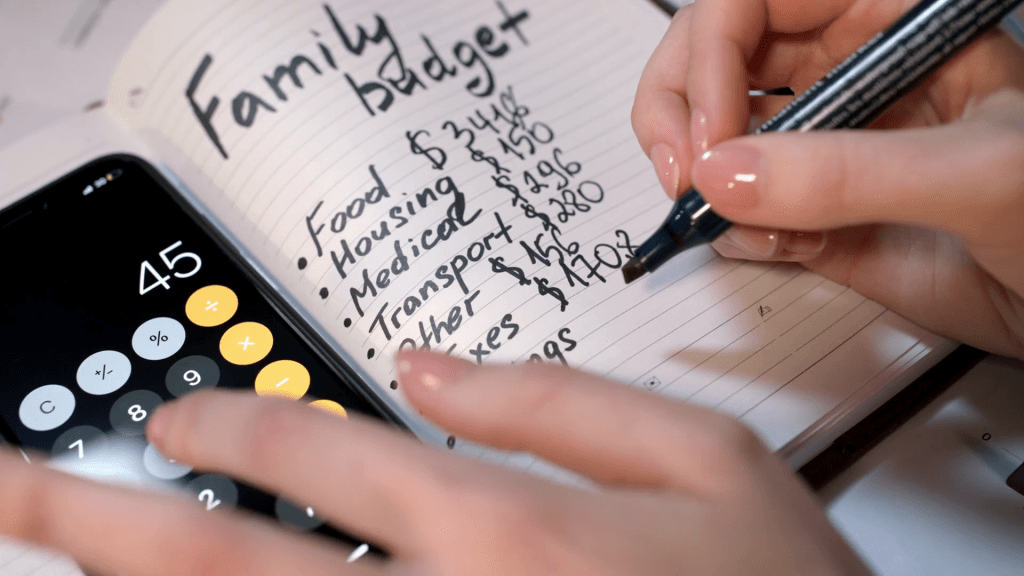
There are different ways to organize your financial affairs. The most common ways are folders or envelopes budgeting (physical or digital); spreadsheets; quickbooks; budgeting apps and ledger books.
In each of these options, there is a visual and mathematical perspective. Your expenses are categorized; add your spending and set limits; then track your spending; review your budget to actual spending; and then make changes.
This will also help you during tax time stay organized. Throughout the year you will file your bills and receipts; donations; childcare receipts, medical receipts, bank and credit card statements, and paystubs (or other sources of income).
Planning for long-term or short-term goals
Planning for financial goals can be separated into two time frames. Long-term 5 years or more and Short-term 12 months.
- Short-term goals can be planning for vacations; family reunions; income tax debt and large purchases.
- Long-term goals could include a retirement plan; purchasing a new house; purchasing a new car; going back to school; having children; opening a business; paying off your mortgage or loans; renovating your home or moving somewhere warm.
Whatever your short-term or long-term goals, these can be incorporated into a budget. The general rule for allocating after-tax income is 50/30/20, 50% goes to your needs, 30% to your wants, and 20% to debt and savings however, my preferred ratio is 60/20/20. Budgeting can assist with allocating your resources to accomplish these goals. When paying off debt start with consumer debit which is usually a high-interest credit card or income tax debt.
Preparing for Emergencies
Emergency funds are not what they used to be; our Grandparents would cut a hole in a mattress; place money in cans in the attic or bury it in the backyard, or place it in a secret pocket in their underwear.
However, we recommend channeling your money towards an emergency fund by investing in a TFSA, or high-interest savings account. But if you have high-interest debt you a fighting a losing battle all interest earned will be paid out in high-interest payments.
Typically an emergency fund should hold money equal to three to six months of income; if you face job loss, medical illness, or an accident.
Why make a budget?
All content is from Making a Budget – Canada.ca, and Financial tools and calculators – Canada.ca
 beauregardaccounting.ca